
Digital Arrest: Understanding the Power and Impact of Online Security
In today’s tech-driven world, "digital arrest" is a serious concern. This happens when someone takes control of your digital assets, like your data or accounts, without your permission. It can be done by hackers or, in some cases, by legal authorities. Let’s break down what digital arrest is, why it’s important, and how you can protect yourself.
What is Digital Arrest?
Digital arrest means being locked out of your own digital stuff. This can happen in a few ways:
- Hacking: When bad actors break into your accounts.
- Ransomware: When malware locks your files and demands money to unlock them.
- Legal Seizure: When authorities take your digital assets if they suspect illegal activity.
Why Digital Arrest is a Problem
Digital arrest can cause significant problems:
- Financial Loss: You might lose money if hackers steal from you or demand a ransom.
- Data Theft: Your personal information can be stolen and misused.
- Work Disruption: For businesses, it can halt operations and cause major issues.
- Legal Troubles: If the government seizes your assets, it can lead to legal and financial complications.
Example: A Ransomware Attack
Consider a small business hit by ransomware. The attackers lock all their data and demand a large sum to unlock it. Without backups, the business has no choice but to pay. This not only costs a lot of money but also damages their reputation.
Ransomware can cripple businesses by locking essential data.
How to Protect Yourself
To avoid digital arrest, follow these simple steps:
1. Use Strong Security
Install antivirus software and firewalls to protect your devices.
2. Update Regularly
Keep your software and systems updated to fix security vulnerabilities.
Regular updates are crucial for security.
3. Backup Your Data
Regularly save your important data in a secure place, like an external drive or cloud storage.
4. Train Yourself and Others
Learn and teach others how to spot phishing emails and use strong passwords.
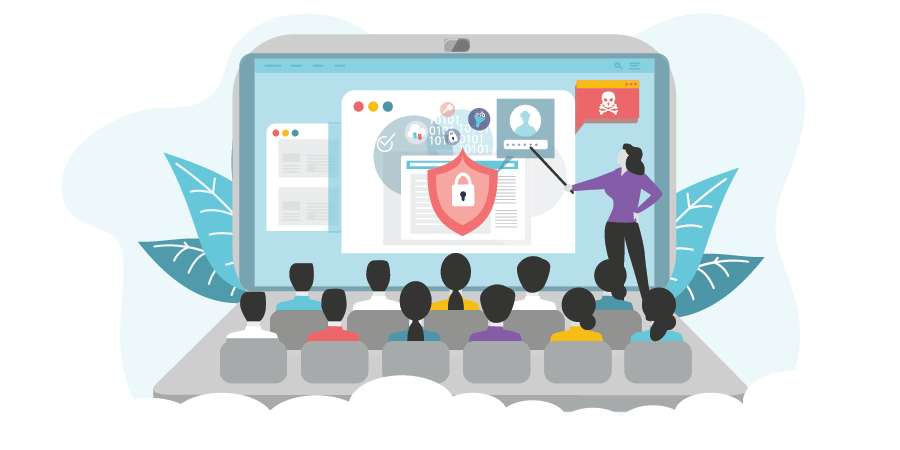
Follow these tips to create strong, secure passwords.
5. Use Multi-Factor Authentication (MFA)
Add an extra step to log into accounts, like a code sent to your phone.
6. Have a Plan
Know what to do if you get hacked. Have a plan to respond quickly and recover.
- Identify the incident.
- Contain the breach.
- Eradicate the threat.
- Recover data.
- Review and improve security measures.
7. Follow the Law
Make sure you’re complying with relevant laws to avoid legal issues.
Conclusion
Digital arrest is a serious issue, but you can protect yourself by being careful and prepared. Keep your devices secure, stay updated, and always back up your data. By following these simple steps, you can keep your digital world safe from threats. Stay safe and stay smart!
Poll: Have You Ever Experienced a Cyber Attack?

By staying updated on cybersecurity and improving your digital safety, you can protect yourself from digital arrest. Be proactive and stay secure.